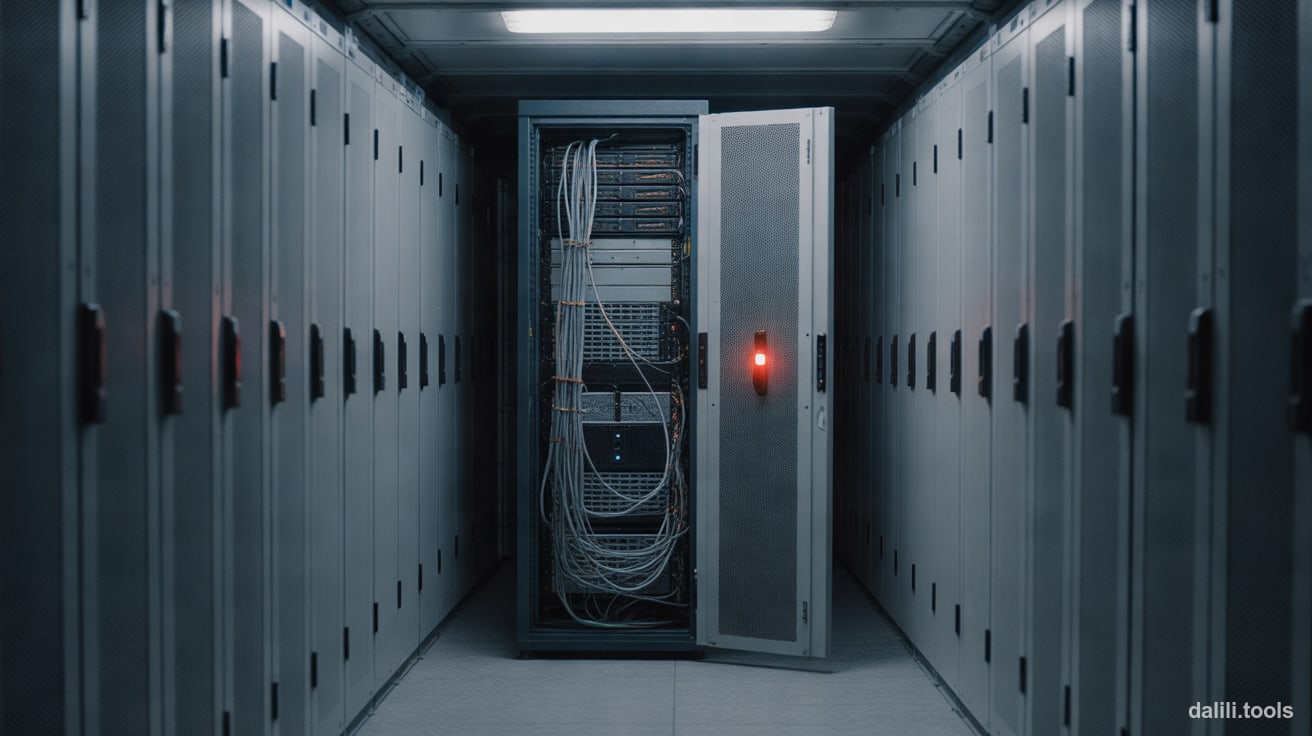
The environmental cost of the AI boom extends far beyond energy consumption and water usage. A new report from the Basel Action Network (BAN) warns that electronic waste from AI infrastructure has been vastly underestimated — and the numbers are staggering.
By 2050, AI-related e-waste could be enough to fill 23 million 40-foot shipping containers — roughly enough to circle the Earth six times. The report projects 395 to 617 million metric tons of AI-related electronic equipment will be retired between 2025 and 2050, accounting for 15 to 20 percent of all global e-waste.
What makes this estimate significantly higher than previous studies is BAN's broader scope. Rather than counting only servers and GPUs, the report factors in power supply and distribution systems, cooling infrastructure, backup power, networking equipment, and what BAN calls "AI Waste Contagion" — the ripple effect of AI advances accelerating obsolescence across telecommunications and consumer devices.
The report calculates approximately 70,000 metric tons of e-waste per gigawatt of data center capacity. With McKinsey projecting total data center capacity reaching 219 gigawatts by 2030, the scale of the coming waste stream becomes clear.
The recycling picture is grim. Less than a quarter of the 68.3 million tons of e-waste generated annually is formally collected and recycled. Most ends up in informal waste streams where burning and burial expose workers — including millions of children — to toxic materials like lead and chromium. The United States, which hosts more data centers than any other country, has yet to ratify the Basel Convention.