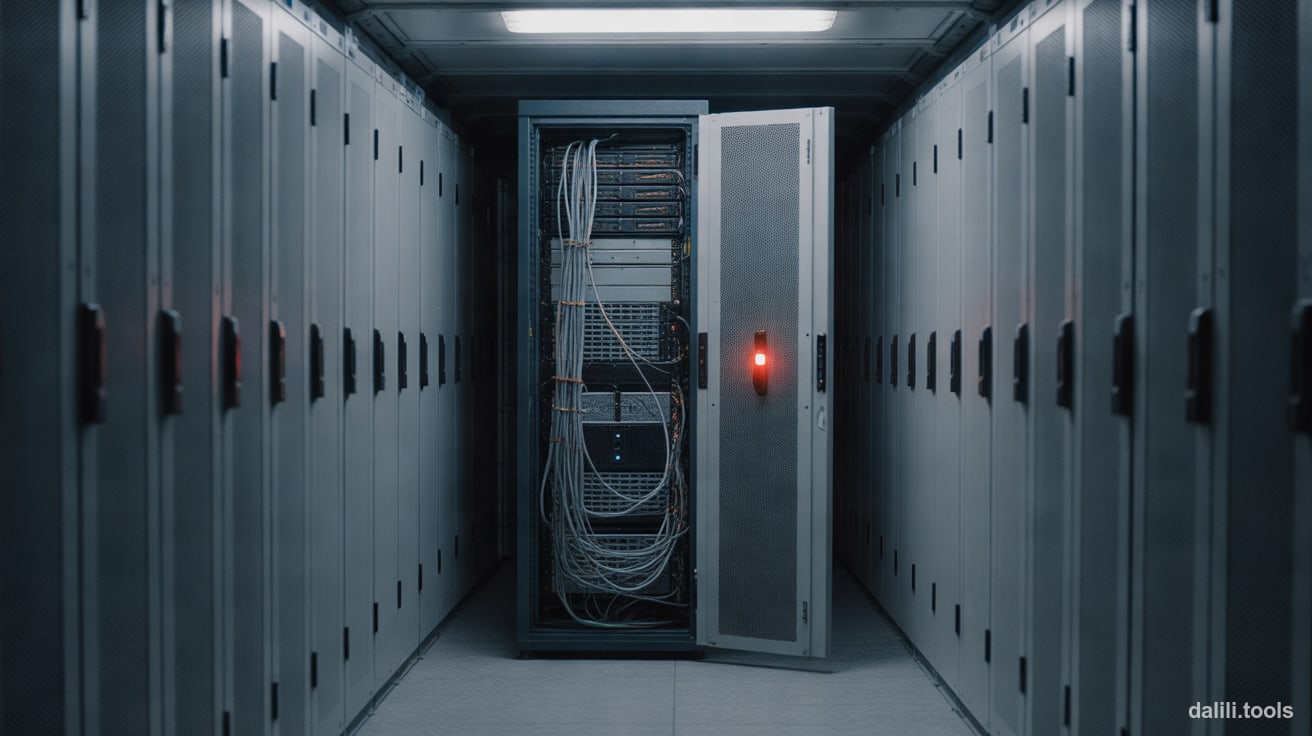
When a fire broke out in June at the Lake Mariner data center in Somerset, New York, firefighters arrived to find no working alarm, no suppression system, and three dead hydrants. The safety documents they were legally entitled to see had reportedly burned in the blaze. The $3.2 billion campus is one of the largest AI data center buildouts in the state, and it has many stakeholders — but almost no one willing to take clear responsibility.
TeraWulf owns and operates the facility on land leased from a company owned by its own CEO. Fluidstack, a UK-based AI company, will run the center. Google holds warrants for a 14 percent equity stake and has guaranteed Fluidstack's lease payments. Anthropic is among the AI companies whose compute demand the facility exists to serve. When something goes wrong, who is accountable?
The gap between promises and delivery is equally stark. TeraWulf's project manager told a planning board in 2024 that the full buildout would employ 35 to 40 people at a facility drawing up to 500 megawatts. That is a fraction of the 165 permanent jobs and $85 million in capital investment promised in 2019. New York Governor Kathy Hochul has acknowledged the pattern, last month placing a moratorium on hyperscaler data center development.
The Lake Mariner case is not unique. Across the AI buildout boom, responsibility is increasingly diffuse: legal, operational, financial, and reputational accountability are split across overlapping corporate structures. When a facility draws scrutiny over energy use, environmental footprint, or safety, assigning blame becomes surprisingly murky — and the communities hosting these projects are left asking what they actually receive in return.