
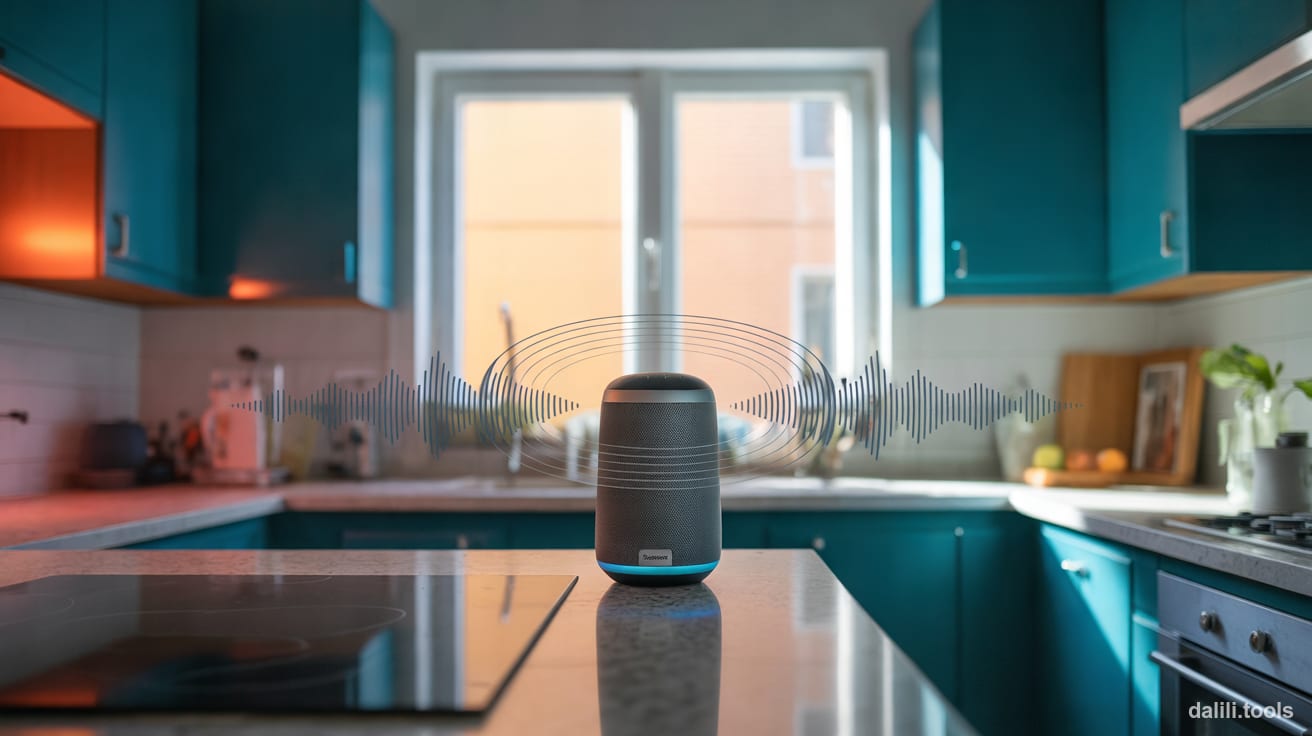
Despite rapid advances in voice AI technology, industry executives believe the field has not yet experienced its 'ChatGPT moment' — the breakthrough that brought text-based AI to mainstream attention and transformed public perception of artificial intelligence capabilities.
Executives from leading AI companies point to several factors holding back voice AI adoption: latency issues that make conversations feel unnatural, accuracy challenges in noisy environments where background sounds interfere with speech recognition, and the lack of a compelling killer application that demonstrates clear value over existing interfaces like smartphones and keyboards.
Voice AI faces unique technical hurdles compared to text-based systems. Real-time processing requirements mean the system must respond within milliseconds to feel conversational, accent and dialect variations across regions and demographics create accuracy gaps, and the need for natural conversational flow including turn-taking, interruptions, and contextual understanding make voice interactions significantly more complex to perfect than text generation.
However, investors and developers remain optimistic about the technology's trajectory. Recent improvements in multimodal models that combine voice, vision, and text suggest voice AI could see its breakthrough moment within the next 12-18 months as latency drops below the threshold of human perception and accuracy improves across diverse speaking styles. Several startups are focusing on specific verticals like healthcare, customer service, and automotive where voice interfaces offer clear advantages over touch-based alternatives.
The consensus among industry leaders is that voice AI's moment will come, but it requires solving fundamental technical challenges rather than just scaling existing approaches. The companies that succeed will likely be those that identify specific use cases where voice provides genuine advantages over existing interfaces, rather than attempting to replace all human-computer interaction with voice.