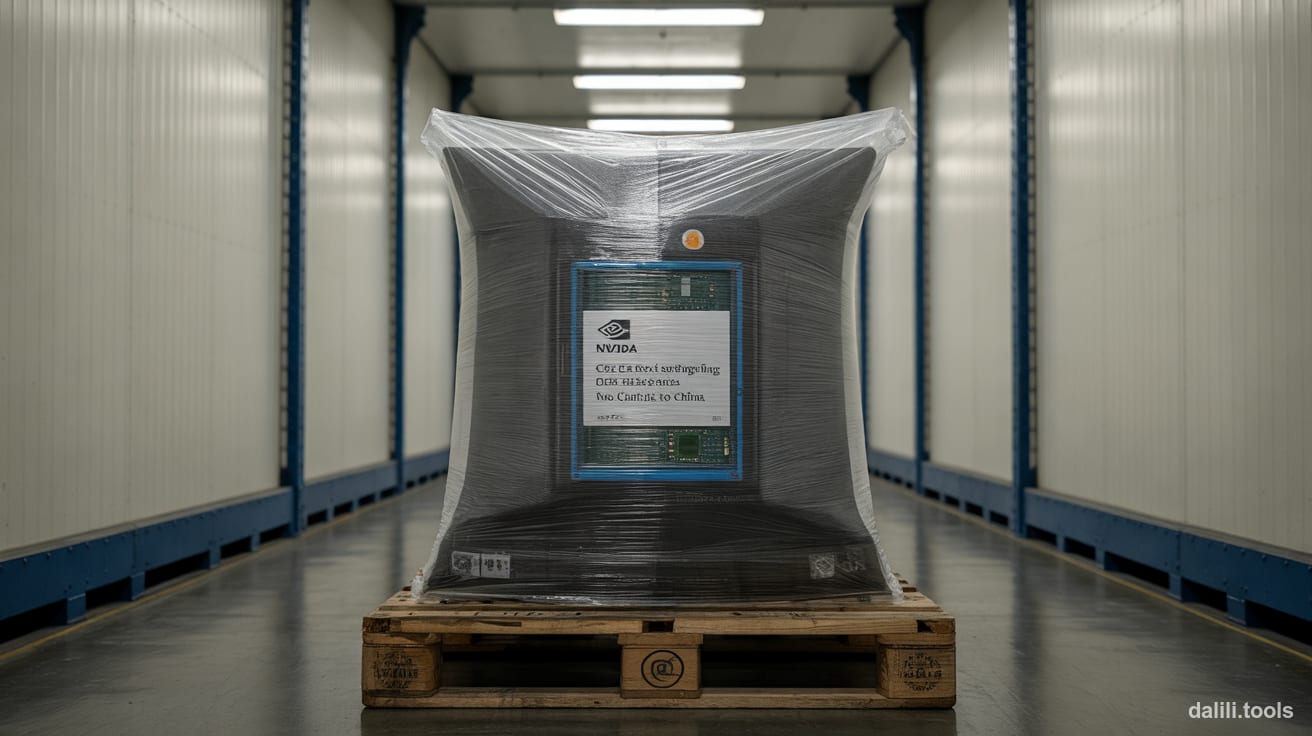
U.S. federal authorities arrested the CEO of a technology distribution company for allegedly orchestrating a $300 million scheme to smuggle advanced Nvidia AI chips to China, circumventing export controls designed to restrict Beijing's access to cutting-edge semiconductor technology. The arrest marks one of the largest enforcement actions related to semiconductor export restrictions.
The indictment, unsealed Thursday, charges the executive with conspiracy, export control violations, and money laundering. Prosecutors allege the company used a network of shell companies and false end-user certificates to obtain high-end Nvidia GPUs, including H100 and A100 accelerators, then routed them through intermediary countries before reaching Chinese buyers. The operation allegedly spanned multiple continents and involved sophisticated financial transactions to obscure the final destination.
The case highlights the growing enforcement challenges around semiconductor export controls. Despite strict regulations, the lucrative demand for AI chips in China has created a sophisticated black market. Investigators estimate the operation ran for at least two years before detection, suggesting gaps in current monitoring systems. The complexity of global supply chains makes it difficult to track every transaction.
Nvidia cooperated with the investigation and issued a statement reaffirming its commitment to export compliance. The company has previously implemented additional verification measures to prevent unauthorized resale of its products, including enhanced customer due diligence and serial number tracking. Industry observers note that while companies take compliance seriously, the sheer value of AI chips creates powerful incentives for circumvention.