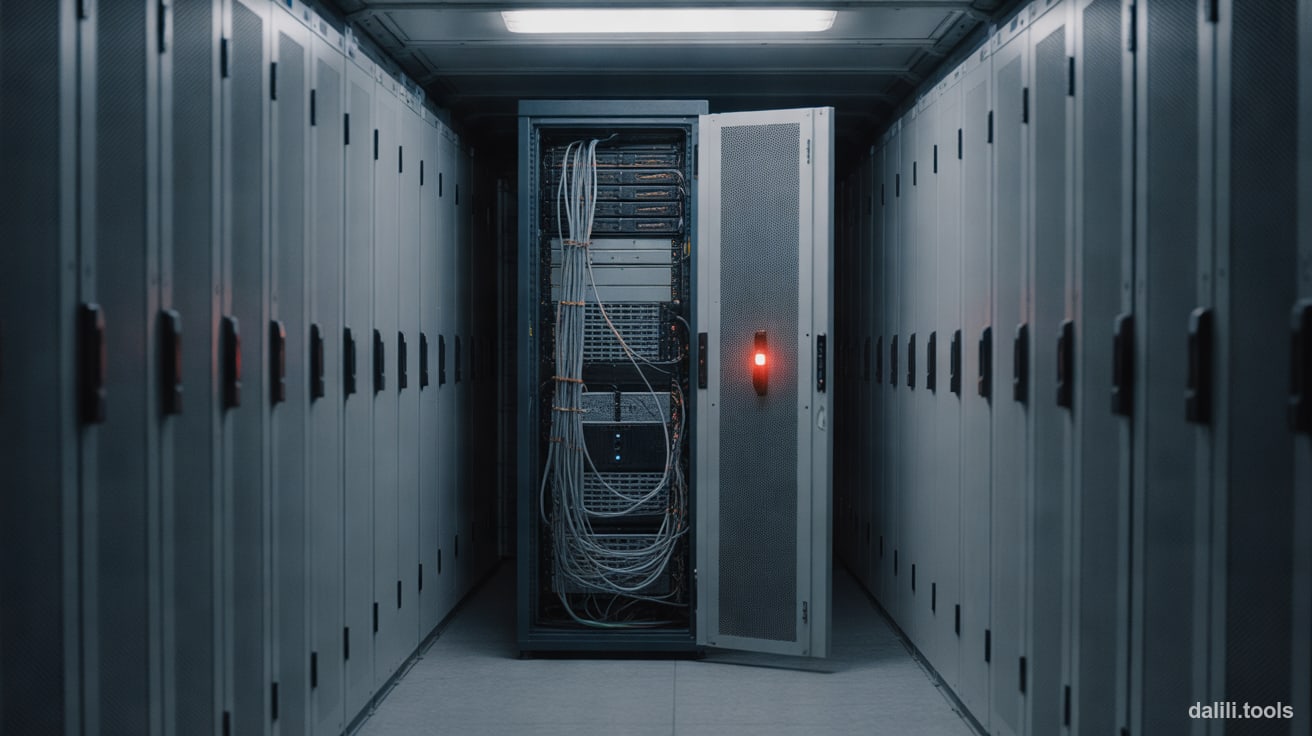

An infrastructure shift is happening quietly beneath headlines about GPT releases and AI hype. The internet, designed for human users clicking links and reading text, is being retooled for machine agents that communicate in API calls and structured data.
Consider the signals: API pricing is dropping, structured data formats are proliferating, and major platforms are rushing to publish machine-readable versions of their content. ChatGPT's ability to browse the web is useful for humans, but it's more useful as a proof of concept for automated agents that will soon sweep the internet looking for opportunities to act on information.
This isn't dystopian—it's economic. A world where machines read and execute transactions on the internet is more efficient than one where humans manually broker every interaction. But it does shift power: whoever controls the data formats, API gateways, and agent infrastructure will shape what those machines can see and do. The question isn't whether the internet will be rebuilt for machines, but who gets to define the rebuild.